Choose the Right Frame Size
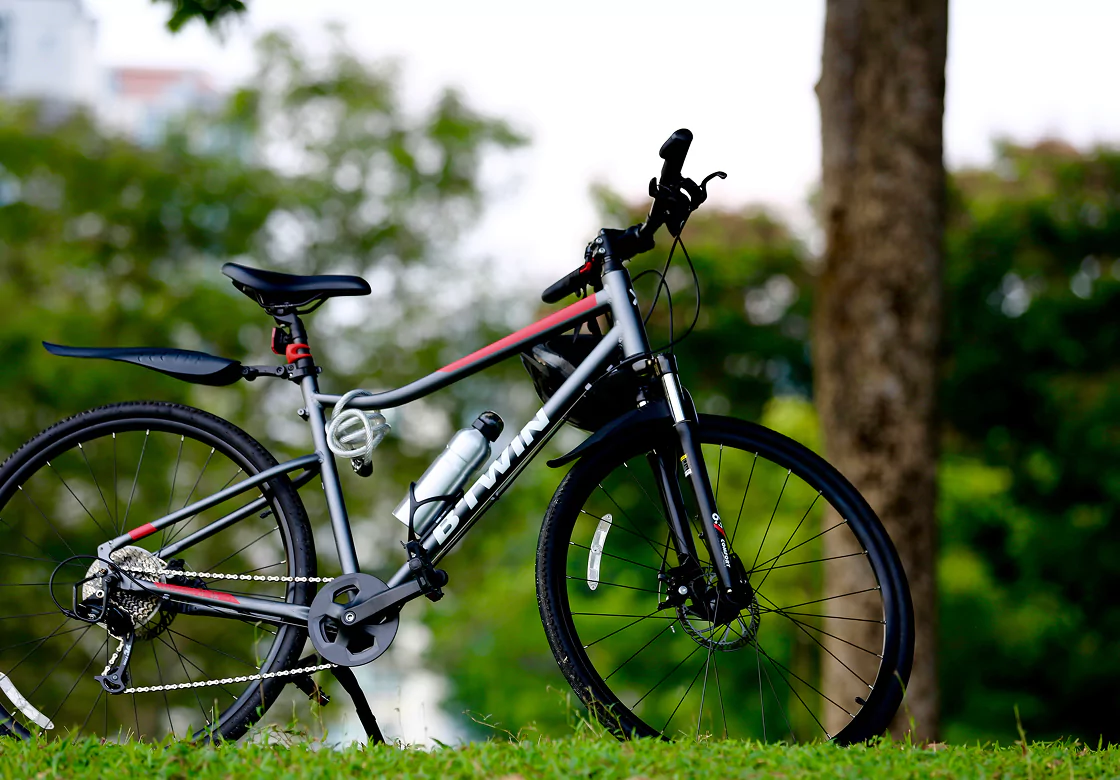
A well-fitted bike enhances comfort and performance. Frame sizes vary based on height and inseam length. Refer to manufacturer sizing charts to find the best fit. A test ride can also help ensure comfort and proper posture.
Understand the Components
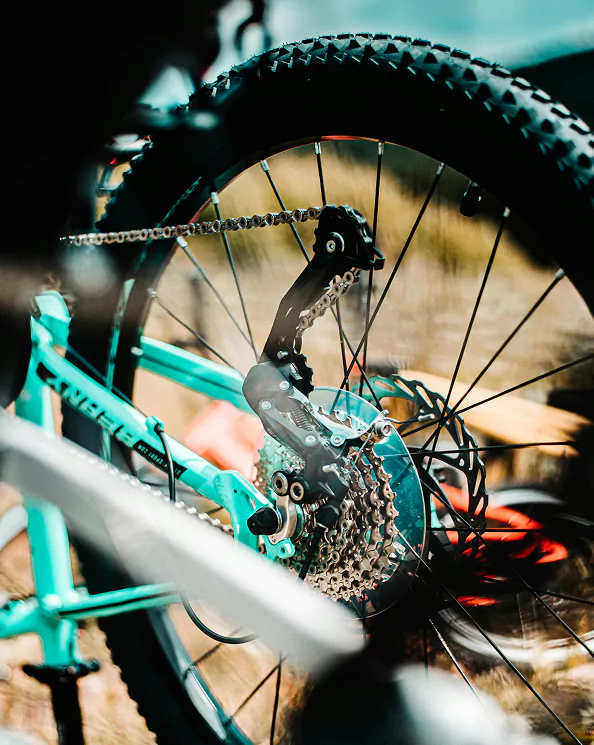
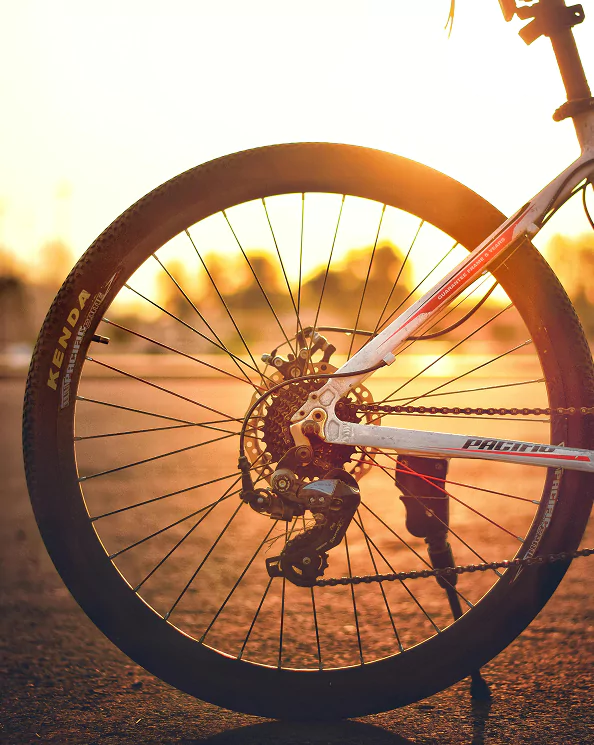
- Gears – More gears provide better adaptability for different terrains, while fewer gears offer simplicity and ease of maintenance.
- Brakes – Options include rim brakes, disc brakes, and hydraulic disc brakes. Disc brakes offer superior stopping power, especially in wet conditions.
- Suspension – Mountain bikes often feature front (hardtail) or full suspension for shock absorption. Road and hybrid bikes generally have rigid forks for efficiency.
Consider the Bike Material
- Aluminum – Lightweight and affordable, ideal for most riders.
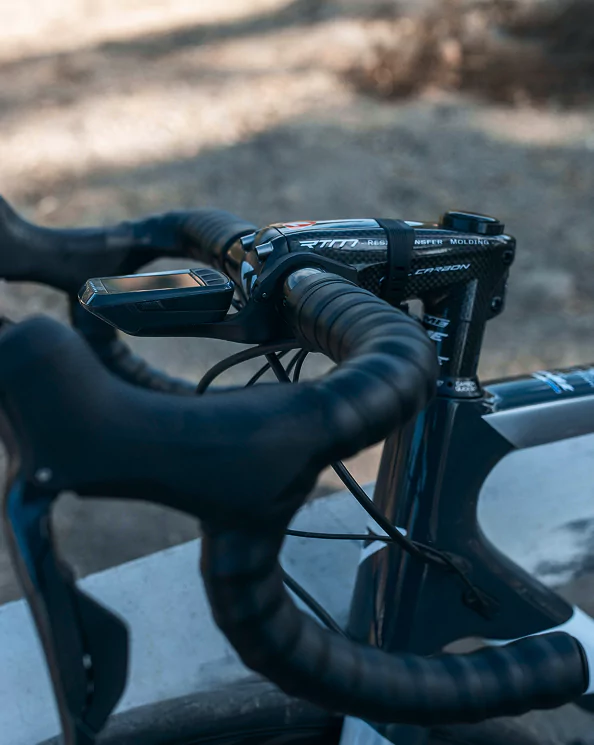
- Carbon Fiber – Extremely light and strong, commonly used in high-performance bikes.
- Steel – Durable and comfortable but heavier than aluminum or carbon fiber.
- Titanium – Strong, lightweight, and corrosion-resistant, but expensive.
Set a Budget
Determine your budget before shopping. Entry-level bikes start around $300, while high-end models can exceed $10,000. Consider additional costs such as accessories, maintenance, and protective gear.
Final Thoughts
Finding the perfect bike is a balance of comfort, purpose, and budget. By understanding your riding needs and considering essential factors, you can confidently choose the right bike to enjoy every ride. Whether commuting, exploring trails, or riding for fitness, the right bike will make all the difference.